Belvedere Road front garden makeover gardeners Waterloo
Posted on 03/11/2026

Belvedere Road front garden makeover gardeners Waterloo: a practical guide to transforming your frontage
If you live on Belvedere Road and your front garden has started to feel a bit tired, overgrown, or simply not "you" anymore, you are not alone. A front garden is the first thing you see when you come home, and the first thing visitors notice too. Done well, it lifts the whole property. Done badly, it quietly drains the charm away.
This guide to Belvedere Road front garden makeover gardeners Waterloo is for anyone wanting a smarter, neater, more welcoming frontage without creating extra maintenance for themselves later. We will look at what a makeover really involves, how the process usually works, what to prioritise, where people go wrong, and which design choices suit Waterloo homes best. A small front garden can still have plenty of personality. Truth be told, sometimes it does more with less.
You will also find practical advice on planting, screening, paving, low-fuss upkeep, and sensible ways to get the best long-term result. Let's face it, a front garden needs to look good in January as well as June.
Why Belvedere Road front garden makeover gardeners Waterloo Matters
A front garden has a bigger job than most people think. It frames the home, guides movement from pavement to doorway, softens hard edges, and helps the property feel cared for. On streets like Belvedere Road, where homes often sit close to the footpath, that first impression matters more than people admit out loud.
A good front garden makeover is not just about prettiness. It is about balance. You want something attractive, practical, and manageable in all seasons. If the space is cramped, awkwardly sloped, shaded by neighbouring buildings, or battered by wind, the design has to work harder. A skilled local gardener understands those realities and plans accordingly.
There is also the everyday side of it. A front garden can solve small problems that annoy you every day: muddy paths, nowhere to put bins neatly, plants collapsing into the pavement, or a patchy lawn that never quite recovers. A thoughtful makeover can make arriving home feel calmer. That sounds a bit sentimental, maybe, but you really do notice the difference after a while.
If you are looking for broader ideas before starting, the practical advice in where to begin from neglect to garden makeover brilliance is a useful companion read, especially if your frontage has been ignored for years.
How Belvedere Road front garden makeover gardeners Waterloo Works
Most front garden makeovers follow a similar pattern, although the details change depending on the condition of the space and what you want from it. The process normally starts with a site assessment. That means looking at light, shade, drainage, width, soil quality, access, existing hard landscaping, and anything that could limit planting or construction.
From there, the gardener or landscaper will usually shape a plan around three things: function, maintenance, and appearance. In plain English, that means deciding how the garden should work day to day, how much upkeep you are comfortable with, and what style suits the house.
In a Waterloo setting, that often leads to one of a few practical directions:
- a tidy, low-maintenance frontage with evergreen structure
- a planting-led design with seasonal colour and pollinator-friendly species
- a smart hard-landscaped approach with paving, edging, and controlled greenery
- a privacy-focused front garden with hedging, screening, or vertical planting
That last point matters more than people think. Front gardens can feel exposed, especially if the property sits near a busy route or a passing walkway. A well-placed hedge or climber can soften the view without making the whole frontage feel closed off. If privacy is a priority, you may also find create a private oasis with fast-growing hedges helpful.
When the design is agreed, the work usually moves into clearance, soil preparation, planting, edging, and finishing details. That may include removing weeds, cutting back old shrubs, improving poor soil, defining borders, refreshing gravel, or installing a stronger entry path. It is often the small finish touches that make the biggest difference. A crisp edge does more than a dozen vague "nice ideas."
Key Benefits and Practical Advantages
A front garden makeover is one of those improvements that looks simple from the outside but has a lot of knock-on benefits. The obvious one is visual appeal. A clearer layout, healthier planting, and better structure can make even a modest frontage feel more considered and higher quality.
But there are practical gains too:
- Lower maintenance: a better layout and the right plant choices mean less time fighting weeds and overgrowth.
- Better usability: easier access to the front door, bin storage, or parking edges.
- Improved privacy: screening can reduce the feeling of being on display.
- Long-term resilience: good planting and soil prep help gardens cope with weather swings.
- Stronger property presentation: a tidy front gives the whole home a more finished feel.
There is also a quieter benefit: the garden starts to feel intentional. Even a small strip of land can look like it belongs to the house rather than sitting there by accident.
For homeowners who want a simpler day-to-day routine, the guidance in low-fuss garden budget tips is worth a look. It is especially useful if you want the upgrade to save time, not create another hobby you never asked for.
Expert summary: the best front garden makeovers are not the fanciest ones. They are the ones that fit the property, reduce daily frustration, and stay neat without constant rescue work.
Who This Is For and When It Makes Sense
This kind of project makes sense for a wide range of households. Some people want to improve a property before selling. Others simply want a more attractive entrance. Some are dealing with a garden that has become patchy, cramped, or overrun. And some just want their front outside space to feel less like a leftover area.
You may be a good fit for a front garden makeover if:
- the garden is too messy to keep on top of
- the planting is mismatched or poorly established
- you need more privacy from the street
- you want a better entrance route or defined pathway
- the space looks bare in winter and unattractive in summer
- you need something child-friendly, pet-friendly, or easier to access
If you are starting from scratch or have not gardened much before, it is sensible to pair a makeover with some basic guidance. The article essential tips for new garden enthusiasts is a gentle starting point, and so is planting tips for beginners if you want to understand the basics before making purchases.
It also makes sense if you have a front garden that keeps failing for the same reason. For example: a sun-late spot where flowers scorch, a shady corner where nothing seems to thrive, or a wind-exposed frontage where taller plants keep flopping. A good gardener does not just plant and hope. They match the design to the conditions. Simple, really.
Step-by-Step Guidance
Here is a practical way to think about the makeover process from first idea to finished frontage. The exact details will vary, but the sequence is usually similar.
- Assess the space properly. Look at light, exposure, drainage, access, and what is already failing. Don't rush this part; bad planning is expensive in slow motion.
- Decide the main purpose. Is the goal privacy, neatness, colour, easier access, or all of those with priorities?
- Clear the clutter. Remove dead plants, invasive growth, weak edging, and anything that blocks the plan.
- Prepare the soil and base layers. Good planting starts below the surface. Improve structure, drainage, and mulch coverage where needed.
- Set the bones of the design. This may mean paths, edging, raised planters, fences, or a simple layout grid.
- Choose plants for the conditions. Use evergreen structure, seasonal interest, and a size that will not overwhelm the frontage in two years.
- Install and plant carefully. Spacing matters. So does depth. A plant installed badly can look fine for a month and then sulk for six months after that.
- Finish with details. Gravel, bark, stepping stones, lighting, or a bench can bring the whole thing together.
- Plan the maintenance rhythm. A front garden should have a simple routine for weeding, feeding, pruning, and seasonal checks.
For people who want a softer planted style rather than hard landscaping, evergreen climbers, ground cover, and structural shrubs can be especially useful. You can read more on that approach through ground cover plants for UK gardens and evergreen climbers for shady retreats.
If the garden has become a tangle, do not be embarrassed. It happens. The key is clearing it methodically rather than trying to "fix" everything in one heroic Saturday afternoon. That usually ends with sore shoulders and one half-finished border.
Expert Tips for Better Results
A good-looking front garden is one thing. A garden that still looks good six months later is better. That is where experience matters. In our experience, the strongest results come from making fewer but smarter choices.
1. Choose structure before decoration
It is tempting to jump straight to flowers, but structure carries the design. A clean line of shrubs, a clipped hedge, or a simple path gives the space shape even in winter.
2. Use repeated planting for calmness
Repetition helps smaller front gardens feel ordered rather than cluttered. Two or three plant types repeated in a pattern often looks more professional than a dozen isolated favourites.
3. Think about winter first
Many front gardens look lovely in June and flat in February. Evergreens, bark texture, berries, and carefully chosen stems keep the space alive when colour fades. A little winter planning saves a lot of disappointment later.
4. Keep sightlines clear
Front gardens should feel welcoming, not hidden behind a wall of plants. Keep key views to the door, house number, and path legible. It is practical and it just looks better.
5. Match plant scale to the building
Small spaces and tall shrubs can become awkward very quickly. If the house is compact, choose plants that stay in proportion. If you want screening, use a layered approach rather than one oversized plant doing all the work.
For more technical pruning and shaping ideas, advanced hedge trimming techniques is a helpful read, especially if your design uses hedging as a key feature.
And if your front garden has stubborn ivy or a tendency to get swallowed by it, expert approaches to ensure ivy stays gone is well worth reading before you start planting anything new.
Common Mistakes to Avoid
Front garden makeovers go wrong in predictable ways. The good news is that most of them are avoidable.
- Overcrowding the space: too many species, ornaments, or features make small gardens feel busy and fussy.
- Ignoring maintenance: a beautiful design that needs weekly fussing can become a burden fast.
- Poor drainage planning: waterlogged soil will undermine even well-chosen plants.
- Using the wrong scale: oversized shrubs can block windows, paths, and natural light.
- Skipping soil preparation: planting into tired soil and hoping for the best is a gamble.
- Focusing only on summer: winter structure matters in London gardens, especially front-facing ones.
- Forgetting access and practical use: bin storage, meter access, and entry routes still have to work.
One small but common issue is choosing plants because they look good in a pot at the garden centre. Fair enough, we have all been there. But a good front garden needs plants chosen for the site, not just for a good five minutes under retail lighting.
If weeds have taken over the space, it may help to pair the makeover with some cleaner maintenance habits. The advice in a weed-free green space can help reduce the problem from the start rather than chasing it endlessly.
Tools, Resources and Recommendations
You do not need every tool under the sun to improve a front garden, but the right basics make the job safer, quicker, and less frustrating. A tidy project often comes down to preparation, not brute force.
Useful tools and materials typically include:
- spade, fork, and hand trowel
- secateurs and loppers for tidy pruning
- wheelbarrow or garden trug
- soil improver, compost, or mulch
- edging tools or simple border markers
- weed membrane where appropriate, used carefully rather than blindly
- gravel, slate chippings, bark, or decorative aggregate
- watering cans or a hose setup for establishment periods
If you want a sense of the kit that genuinely earns its keep, must-have gardening tools is a sensible reference point. It keeps things practical rather than overly gadgety.
For homes where storage is tight, containers can be a clever workaround. They are not a shortcut, exactly, but they do give you more control. container gardening is especially useful where the soil is poor or the frontage is paved in part.
Recommended design directions often include:
- Low-fuss planting: evergreen shrubs, mulch, and robust perennials
- Green screening: hedges, climbers, or layered planting for privacy
- Compact modern style: hard lines, restrained planting, and clear borders
- Natural front garden: pollinator-friendly planting with seasonal variety
For a gentle, budget-conscious style, budget tips for a low-fuss garden can help you think through options without overspending on the first round.
Law, Compliance, Standards, or Best Practice
Front garden projects rarely involve heavy regulation, but there are still sensible rules of thumb to follow. If work affects boundaries, shared access, drains, or visibility onto the street, it is worth checking the practical implications before any big changes. That is especially true in London, where properties can sit close together and small decisions have bigger knock-on effects.
Good practice usually means:
- keeping access routes clear and safe
- not creating trip hazards with loose materials or uneven edging
- making sure plants do not block paths, gates, or visibility in an unsafe way
- using the right equipment for pruning, lifting, or pressure-based cleaning
- handling waste responsibly and tidily
Where contractors are involved, ask about insurance, safety procedures, and how waste will be removed. A trustworthy team should be comfortable discussing this plainly, without turning it into a lecture. If you want to see how a professional service approaches those topics, the pages on insurance and safety and health and safety policy are useful reading.
For contract clarity and practical expectations, it can also help to review terms and conditions, privacy policy, and cookie policy before requesting any service. That is just sensible housekeeping. Nothing glamorous, but useful.
If you are comparing pricing or trying to understand the process before committing, pricing and quotes can give you a feel for how the next step usually works.
Options, Methods, or Comparison Table
There is no single correct way to makeover a front garden. The right method depends on budget, style, and how much upkeep you are willing to do. Here is a straightforward comparison of common approaches.
| Approach | Best for | Pros | Trade-offs |
|---|---|---|---|
| Plant-led makeover | Softening the frontage and improving seasonal interest | Welcoming, greener, good for wildlife | Needs pruning and seasonal care |
| Low-maintenance design | Busy households and smaller budgets over time | Easy to keep tidy, less labour | Can feel a little restrained if overdone |
| Privacy-focused layout | Homes close to the street or overlooked entrances | More seclusion, stronger enclosure | Needs careful plant selection to avoid crowding |
| Hard-landscaped frontage | Clean, modern presentation and simple access | Durable, neat, easy to direct movement | Can feel stark if planting is neglected |
| Mixed makeover | Most Waterloo front gardens | Balanced, flexible, practical | Needs good planning to avoid looking busy |
For many Belvedere Road homes, the mixed option is the sweet spot. A bit of structure, a bit of planting, and a sensible maintenance plan usually gives the best long-term outcome. Not flashy. Just right.
Case Study or Real-World Example
Consider a typical small front garden on Belvedere Road: a narrow paved path, a tired patch of lawn, two overgrown shrubs, and weeds creeping into the border. The space is not broken, just neglected. It happens.
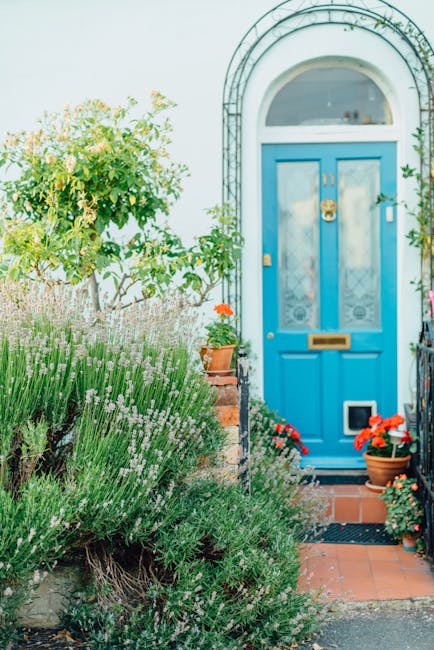
The makeover approach might start by clearing the old lawn if it is patchy and hard to keep healthy. The path could be re-edged for definition, and the border rebuilt with a small number of reliable plants rather than a crowded mix. A low hedge or evergreen shrubs could frame the frontage, while mulch or gravel reduces weeds and keeps the surface tidy. A climber on a support or wall could add height without taking up valuable ground space.
To make it feel more complete, you might add a container near the entrance, chosen for seasonal colour. A bench or seating spot may or may not fit, depending on scale. If it does, great. If not, don't force it. A front garden is not a showroom.
What usually surprises people is how much calmer the house feels after the work is done. The entrance looks intentional, the route to the door is clearer, and the whole frontage reads as cared for. That is often more valuable than a complicated design.
If the design needs a sheltered or darker angle, the ideas in vertical gardening and evergreen climbers can help the space feel alive without crowding the ground level.

Practical Checklist
Use this quick checklist before starting a front garden makeover in Waterloo.
- Do I know the main purpose of the garden?
- Have I assessed light, shade, drainage, and exposure?
- Have I removed dead growth, weeds, and unusable clutter?
- Do my plant choices suit the site conditions?
- Have I planned for winter appearance as well as summer colour?
- Is there a clear path to the front door?
- Have I allowed enough space for maintenance access?
- Will the design still work in six months, not just on day one?
- Have I thought about privacy, safety, and sightlines?
- Do I know what upkeep the finished garden will need?
One extra thing: think about the first rain after completion. If the space still looks tidy then, you are probably on the right track. A garden that survives a wet week without looking defeated is a good sign.
Conclusion
A Belvedere Road front garden makeover is not just a cosmetic project. It is a practical improvement to how the home feels, how the entrance works, and how much effort you spend trying to keep things under control. Done well, it gives you structure, softness, and a bit of breathing room every time you come back through the gate.
The best results usually come from a simple formula: clear the clutter, match the design to the site, choose resilient plants, and keep the finish honest. No drama. No overcomplication. Just a front garden that looks cared for and stays that way.
If you are ready to move from ideas to action, the next step is usually a proper site assessment and a clear plan for design, planting, and maintenance. That is where a good local team really earns its keep.
Get a free quote today and see how much you can save.
And if you take only one thing from this guide, let it be this: the best front gardens do not shout. They simply make the whole street feel better, one small entrance at a time.

With a wealth of experience in the gardening business, Martin excels as a proficient author, capable of writing a variety of articles on a diverse range of landscaping topics. His adeptness has been instrumental in helping thousands of people meet their gardening requirements.