Lower Marsh garden clearance and gardeners near Waterloo
Posted on 26/10/2026
Lower Marsh garden clearance and gardeners near Waterloo: a practical guide for busy gardens and better outdoor spaces
If your garden in or around Lower Marsh has started to feel more like a storage yard than a place to relax, you are not alone. Between overgrown borders, stubborn weeds, awkward access, and the usual London time pressures, it does not take much for a tidy space to tip into chaos. That is where Lower Marsh garden clearance and gardeners near Waterloo becomes genuinely useful: not just for a one-off clear-up, but for getting the space back into shape in a way that actually lasts.
This guide explains what garden clearance usually involves, how local gardeners near Waterloo approach the job, what results to expect, and how to decide whether you need clearance, maintenance, or a fuller garden reset. You will also find practical steps, common mistakes, and a checklist you can use before booking help. Let's face it, a garden does not improve by staring at it from the kitchen window.

Why Lower Marsh garden clearance and gardeners near Waterloo Matters
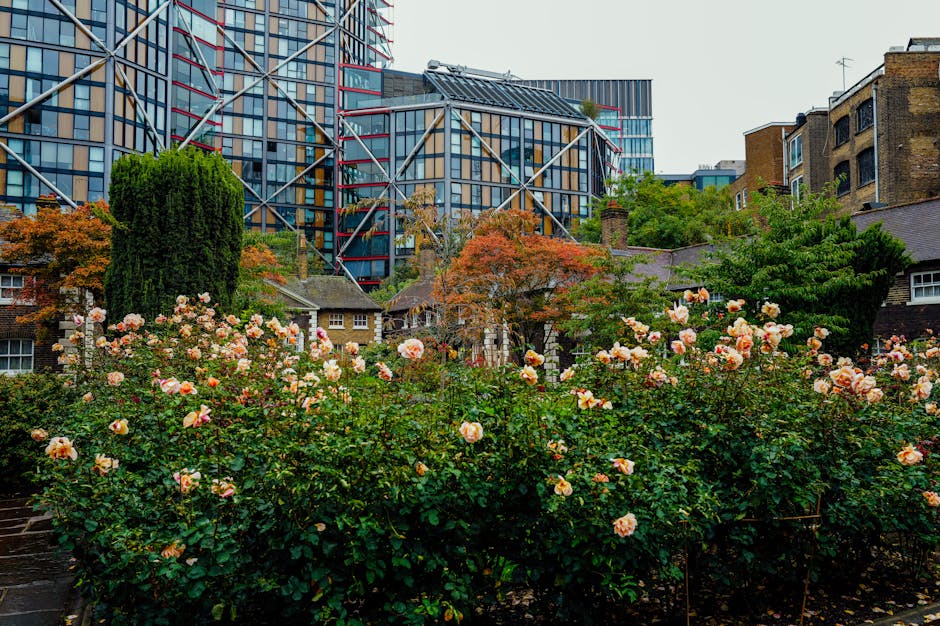
Lower Marsh sits in a very urban part of London, so gardens here often work harder than people expect. Smaller plots, narrow side access, shared boundaries, courtyard layouts, and mixed sun exposure can all make upkeep tricky. Add in seasonal growth, leaf fall, patio grime, and the occasional enthusiastic climber, and even a modest garden can become difficult to manage.
Garden clearance is more than "tidying up." In practical terms, it is about removing the material that blocks healthy growth and makes future maintenance harder. That can include brambles, ivy, self-seeded saplings, dead planting, old pots, broken fixtures, accumulated leaves, and general waste. A well-cleared garden gives you room to see what is there. Sometimes that is the hardest part, to be fair.
For homeowners, landlords, letting agents, and businesses near Waterloo, it also has a presentational side. First impressions matter. A courtyard full of weeds or a patio crowded with debris can make the whole property feel neglected, even if the rest of it is in good order. If you are planning a refresh, it often makes sense to combine clearance with ongoing garden maintenance in Waterloo so the space does not slide straight back into mess.
There is also the simple matter of access and safety. Overgrown paths, slippery surfaces, hidden waste, and unstable piles of cuttings are not just inconvenient; they can create avoidable hazards. A responsible local gardener will look at the whole space, not only the visible weeds.
How Lower Marsh garden clearance and gardeners near Waterloo Works
Most clearances begin with an assessment. A gardener will usually look at the size of the space, the condition of the planting, the amount of waste, how easy it is to reach the site, and whether any work needs special care. For example, a small rear courtyard with dense ivy is a very different job from a tired front garden with deep-rooted weeds and hedging that needs reshaping.
In practice, a good clearance process tends to follow a simple pattern:
- Inspect the site and identify what should be removed, cut back, or preserved.
- Separate green waste from non-green waste so disposal is easier and more responsible.
- Clear access routes first, which makes the rest of the work safer and quicker.
- Remove overgrowth, weeds, and dead material without damaging healthy plants that are worth keeping.
- Rake, sweep, and tidy hard surfaces so the garden is genuinely usable again.
- Advise on follow-up care, which might include pruning, mulching, lawn treatment, or planting changes.
Depending on the condition of the garden, the team may also suggest a more specific service such as hedge trimming in Waterloo, lawn mowing in Waterloo, or even tree surgery in Waterloo where larger growth has become unsafe or unmanageable. That kind of joined-up approach is usually better than treating every problem as a separate job.
If the garden has become heavily weeded or badly neglected, a targeted reset can help. You can see the logic behind that in the guide on turning a neglected garden into a fresh makeover. It is not glamorous work, but it is often the turning point.
Key Benefits and Practical Advantages
The biggest benefit of professional clearance is momentum. Once the clutter is gone, the whole garden becomes easier to assess. That means you can make better decisions about planting, layout, and future maintenance rather than guessing through a jungle of unwanted growth.
Here are the main advantages people usually notice:
- Better visibility of the garden's structure, condition, and potential.
- Safer access across paths, steps, patios, and boundaries.
- Healthier plants because unwanted competition is reduced.
- Lower maintenance pressure in the weeks after clearance.
- Improved appearance for homes, rentals, and commercial spaces.
- More usable outdoor space for seating, planting, or family time.
A well-cleared garden also becomes easier to shape for your actual lifestyle. If you want something low-fuss, you can simplify beds and keep the planting practical. If you want privacy, you can plan hedges or climbing structure. If you want somewhere calm after a long commute, you can build a more restful layout with seating and shade. The point is, clearance creates options.
There is another advantage people underestimate: confidence. Once a garden looks manageable again, people tend to use it more. You open the door, step outside, and think, alright, this can work after all. That feeling matters.
Who This Is For and When It Makes Sense
Lower Marsh garden clearance and gardeners near Waterloo is relevant to a wide mix of people. Some need one-off help after a period of neglect. Others want reliable regular support. Others still are getting a property ready for sale, letting, or seasonal use.
This service may suit you if:
- your garden has become overgrown after a busy period or extended absence
- you have inherited a property that needs a reset
- you are preparing a rental for new tenants
- you want to reclaim a patio, courtyard, or terrace for everyday use
- you struggle with heavy lifting, waste handling, or awkward access
- you need a local gardener who understands compact urban gardens
It is also a sensible move before other improvements. For example, clearance often comes first before planting, fencing, decking repairs, or landscaping. If you jump straight to design ideas without clearing the mess, you can end up making expensive decisions too early. A cleaner starting point gives you a better read on drainage, light, and space.
For people building a more manageable garden, related guides can help shape the next stage. The article on low-fuss garden ideas on a budget is useful if you want upkeep to stay realistic. If privacy is a priority, fast-growing hedge ideas for privacy may give you a few practical starting points.
Step-by-Step Guidance
If you are planning a clearance, it helps to know what a sensible process looks like. Here is the version that keeps things calm and efficient rather than chaotic.
1. Walk the garden first
Before any cutting begins, take a slow look at the whole space. Notice where access is tight, where growth is dense, and what you want to keep. A quick five-minute walk can prevent avoidable damage later. A lot of people skip this and then regret it halfway through.
2. Identify priorities
Some areas need urgent attention: slippery patios, blocked paths, unstable branches, or invasive growth. Other areas can wait. Good clearance work is not just about removing everything at once; it is about working in the right order.
3. Remove waste in manageable stages
Cuttings, bags of debris, and broken garden items can pile up quickly. Clearing in stages keeps the site safer and helps the job feel less overwhelming. It also makes it easier to spot reusable materials, such as compostable green waste or items that only need sorting.
4. Cut back without flattening the whole garden
There is a difference between clearance and destruction. Experienced gardeners know how to open up a space while preserving plants with value. That might mean keeping a healthy shrub, reducing ivy properly, or retaining structure around a boundary. If ivy is the headache, it is worth reading practical advice for removing ivy properly before you start hacking at it.
5. Tidy hard landscaping too
After the green work, look at patios, paving, decking edges, steps, and any boundaries. Moss, soil spills, and debris can make a cleared garden still feel unfinished. A neat finish matters. It is the difference between "partly done" and "ready to use."
6. Decide on the next layer
Once the space is clear, ask what should happen next. Do you need ongoing maintenance, fresh planting, hedge shaping, or a lawn recovery plan? If you are unsure, start with a light maintenance schedule and build from there. That is usually wiser than trying to redesign the whole garden in one weekend.
Expert Tips for Better Results
Here are a few details that make a noticeable difference, especially in compact Waterloo gardens where every metre counts.
- Clear in dry weather if you can. Wet green waste is heavier, messier, and harder to move through shared access points.
- Protect the plants you want to keep. Tie back loose stems, mark precious bulbs, and avoid trampling beds just to reach one awkward corner.
- Work from the edges inward. It gives shape to the job and stops you from feeling buried by the mess.
- Do not ignore climbing growth. Ivy, brambles, and self-seeded climbers can return quickly if the roots and support points are not handled properly.
- Think about future maintenance while you clear. For example, ground cover can help reduce bare soil and repeated weeding. If that interests you, the guide to ground cover plants for UK gardens is a handy next read.
- Use the clearance to reshape the garden's rhythm. A narrow area may benefit from vertical planting, while a shady corner may need a different strategy altogether.
One practical thing we often notice: after clearance, people rush to replant too much. It sounds positive, but sometimes the best move is to pause and see how the space behaves for a week or two. Where does the light actually land at 4pm? Where does water sit after rain? These details matter more than people expect.
If your garden needs a more structured refresh, inspiration helps. Vertical gardening ideas work particularly well where floorspace is limited, and creative garden seating concepts can make even a small cleared area feel purposeful.
Common Mistakes to Avoid
Garden clearance seems straightforward until it isn't. A few common missteps can turn a manageable job into a frustrating one.
- Cutting everything back too hard. Some plants recover well, others do not. Blanket cutting is rarely smart.
- Leaving roots behind. That is how weeds and invasive growth make an unwelcome comeback.
- Forgetting waste disposal. A pile of cuttings in the corner is not a finished clearance.
- Damaging hard surfaces. Blades, dragging, and heavy waste can scuff patios, decking, and fences.
- Ignoring access issues. Narrow alleyways, shared entrances, and bins all affect how the job should be planned.
- Starting with planting before clearing. It is a bit like laying a table before cleaning it. Makes little sense.
Another quiet mistake is not asking about follow-up care. Clearance by itself is only a reset. If you do not think about the next six weeks, the garden can quickly drift back into the same state. Even a simple routine of light weeding, mowing, and boundary trimming can make a huge difference.
If you want the work to last, consider pairing clearance with broader care such as lawn care in Waterloo or seasonal lawn mowing support. It keeps the garden from becoming a never-ending rescue project.
Tools, Resources and Recommendations
The right tools make clearance safer and cleaner, especially where access is awkward or the garden is layered with different types of growth. Professional gardeners will usually bring cutting tools, rakes, shears, gloves, bags or containers for waste, and equipment for dealing with tougher material.
For homeowners doing small bits themselves, a basic kit often includes:
- gloves with decent grip
- strong secateurs
- loppers for thicker stems
- a rake and stiff broom
- secure bags or sacks for waste
- a bucket or trug for hand-carrying debris
It is also sensible to think about how the cleared garden will be used. If you have pets, child access, or limited mobility in mind, the design choices matter. A helpful read is building a dog-friendly botanical paradise, which covers the kind of practical planning that keeps a garden usable, not just pretty.
For people who are new to gardening, the most useful resource is often a clear start rather than a complex plan. Simple tips for new garden enthusiasts and beginner planting advice can help you avoid the usual early mistakes. If your outdoor area is shaded, the article on evergreen climbers for shady retreats is a smart follow-up.
Law, Compliance, Standards, or Best Practice
Garden clearance in London is usually straightforward, but there are a few best-practice points worth respecting. You do not need legal drama in your flowerbeds, thank you very much.
First, waste should be handled responsibly. Green waste, mixed rubbish, timber, soil, and bulky items should be separated where possible and disposed of properly. A professional service should be clear about how waste is managed and what is included in the work.
Second, any work involving height, heavy cutting, trip hazards, or large branches should be treated with care. That is especially true where there are fences, neighbouring properties, shared access, or overhead obstacles. A reputable gardener should work with sensible health and safety practices, use appropriate equipment, and avoid creating risk for residents or passers-by.
Third, if a job involves trees, significant branch removal, or potentially unstable growth, it is better to treat it as specialist work rather than general clearance. Likewise, structural repairs, fencing issues, or decking damage may need separate attention. For those cases, services like fencing in Waterloo or decking services may be more appropriate than trying to force everything into one visit.
Finally, when choosing a local gardener, look for clear communication, transparent quoting, and sensible expectations. You want someone who explains what is included, what is not, and what the garden will likely need afterwards. If pricing is part of your decision, pricing and quotes can help set out that process in a straightforward way.
Options, Methods, or Comparison Table
Not every garden needs the same approach. Sometimes a light tidy is enough. Other times you need a full clearance and a follow-on maintenance plan. Here is a simple comparison to help you choose.
| Option | Best for | Typical outcome | Notes |
|---|---|---|---|
| Light tidy | Small gardens with seasonal mess | Cleaner borders, neater paths, reduced surface debris | Good if the garden is mostly healthy already |
| Full clearance | Overgrown, neglected, or cluttered gardens | Removal of weeds, dead growth, and waste; usable space restored | Often the best starting point for a reset |
| Clearance plus maintenance | Busy homes, rentals, or gardens that slide quickly | Cleaner garden for longer, fewer repeat issues | Often the most practical long-term option |
| Clearance plus redesign | Spaces needing new layout or planting | Fresh structure, improved function, better use of space | Works well after the site has been properly cleared |
If you are deciding between them, ask one simple question: do you need the garden to look better, or do you need it to work better? Ideally both, obviously. But that question helps keep the job honest.
For a useful middle ground, many people start with clearance and then add a few lower-maintenance improvements. That might include ground cover, hedge shaping, patio cleaning, or a simple seating nook. The article on zen garden concepts is handy if you want a calm, uncluttered feel after the hard work is done.
Case Study or Real-World Example
Here is a realistic example from the kind of job that comes up often in Waterloo. A small rear garden had become crowded with self-seeded growth, ivy along one fence line, a patchy lawn, and a patio that had almost disappeared under leaves and soil spill. The owners were not trying to create a show garden. They just wanted somewhere to sit after work without feeling overwhelmed every time they opened the back door.
The work began with a full clearance of the overgrowth, careful removal of ivy, and a tidy-up of the access path. Once the surface was visible again, the gardener could see that the patio itself was in decent condition and the lawn still had potential. A few areas were then cut back, waste was removed, and the owners were advised to keep the planting simple for a while rather than rushing to fill every gap.
The result was not dramatic in a glossy-magazine sense. Better than that. It was usable. The space felt larger, lighter, and easier to maintain. A couple of chairs could be moved out without wrestling through a thicket. That kind of change sounds small, but it genuinely changes how people live with the garden.
When the owners later looked at adding plants back in, they chose a mix of manageable structure and container planting. A guide like container gardening ideas makes sense in that sort of space because it gives flexibility without overcommitting to permanent beds too soon.
Practical Checklist
Use this before you book or before a gardener arrives. It keeps expectations clear and saves time.
- Walk the garden and identify the worst problem areas
- Decide what must be removed and what should stay
- Check access gates, side passages, and bin routes
- Move valuables, fragile pots, and personal items out of the way
- Note any areas with hidden drains, loose paving, or fragile fencing
- Tell the gardener if you want waste removed or stacked separately
- Ask whether follow-up maintenance is recommended
- Think about future planting, screening, or seating needs
- Check whether pets or children will need to stay inside during work
- Take a quick photo before the work starts, just for your own reference
Expert summary: The best garden clearances are not the most aggressive ones. They are the ones that remove the right things, protect the useful parts, and leave the space easier to live with afterwards. A clear garden is not just neater; it is a better starting point for everything that comes next.
Conclusion
Lower Marsh garden clearance and gardeners near Waterloo is ultimately about restoring control. Whether your garden needs a full reset or just enough care to stop it slipping further, a thoughtful local approach can make the space feel usable again without overcomplicating the process. The best results usually come from clear priorities, careful removal, and a sensible plan for what happens after the mess is gone.
If you are working with a compact London garden, do not be discouraged by how untidy it looks right now. Most outdoor spaces can be improved more quickly than people think once the first layer of clutter is removed. One good clearance can change the whole mood of the place. Seriously, it can.
Get a free quote today and see how much you can save.
And if you are ready to go one step further, a friendly local gardener can help turn that patch of uncertainty into somewhere you actually want to spend time.

With a wealth of experience in the gardening business, Martin excels as a proficient author, capable of writing a variety of articles on a diverse range of landscaping topics. His adeptness has been instrumental in helping thousands of people meet their gardening requirements.